
Peloponnesian Folklore Foundation: A Journey Through Greek Heritage
June 07, 2025

I spent about two hours exploring the museum's incredible collection of traditional Greek costumes and household items, which offered a fascinating glimpse into 19th-century Peloponnese life. The museum is conveniently located in Nafplio's historic center, just a short walk from the famous Palamidi Fortress, making it an easy addition to a day of sightseeing.
Step into a time machine of Greek cultural heritage, where a charming horse-tricycle reveals the unexpected technological transitions of a bygone era. Uncover the secret stories woven into intricate embroideries and silver adornments that most tourists never get to see.
Need-to-Know Info Before Visiting Peloponnesian Folklore Foundation

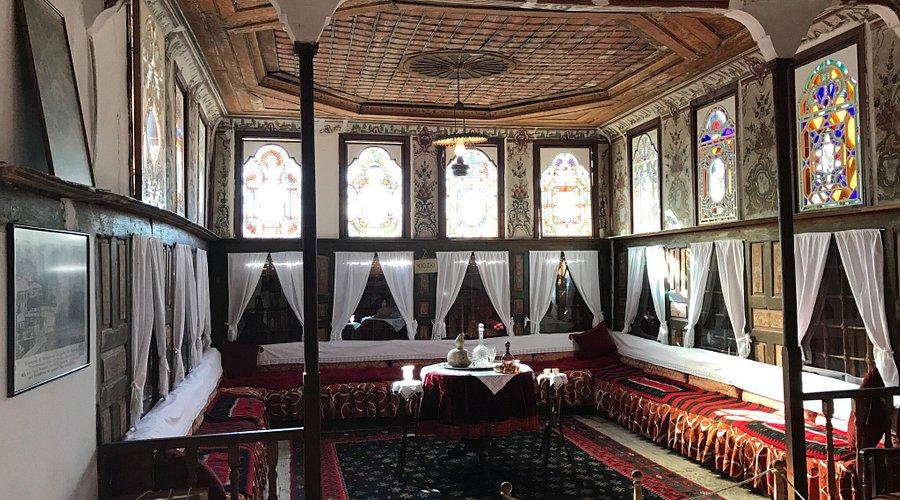

4+
images
Peloponnesian Folklore Foundation Address
Vasileos Alexandrou 24, Nafplio 211 00, Greece
Peloponnesian Folklore Foundation Opening Hours
- 🕒 Tuesday-Sunday: 10:00 AM - 2:00 PM
- 🕒 Closed on Mondays
- 🕒 Summer hours might extend (check website)
How to get to Peloponnesian Folklore Foundation
- 🚗 By car: Park in nearby public parking around Nafplio's old town
- 🚌 Public transport: Local bus routes to Nafplio city center
- 🚕 Rideshare: Readily available in Nafplio city center
What is Peloponnesian Folklore Foundation known for?
- Award-winning museum showcasing 19th and early 20th-century Greek folk culture
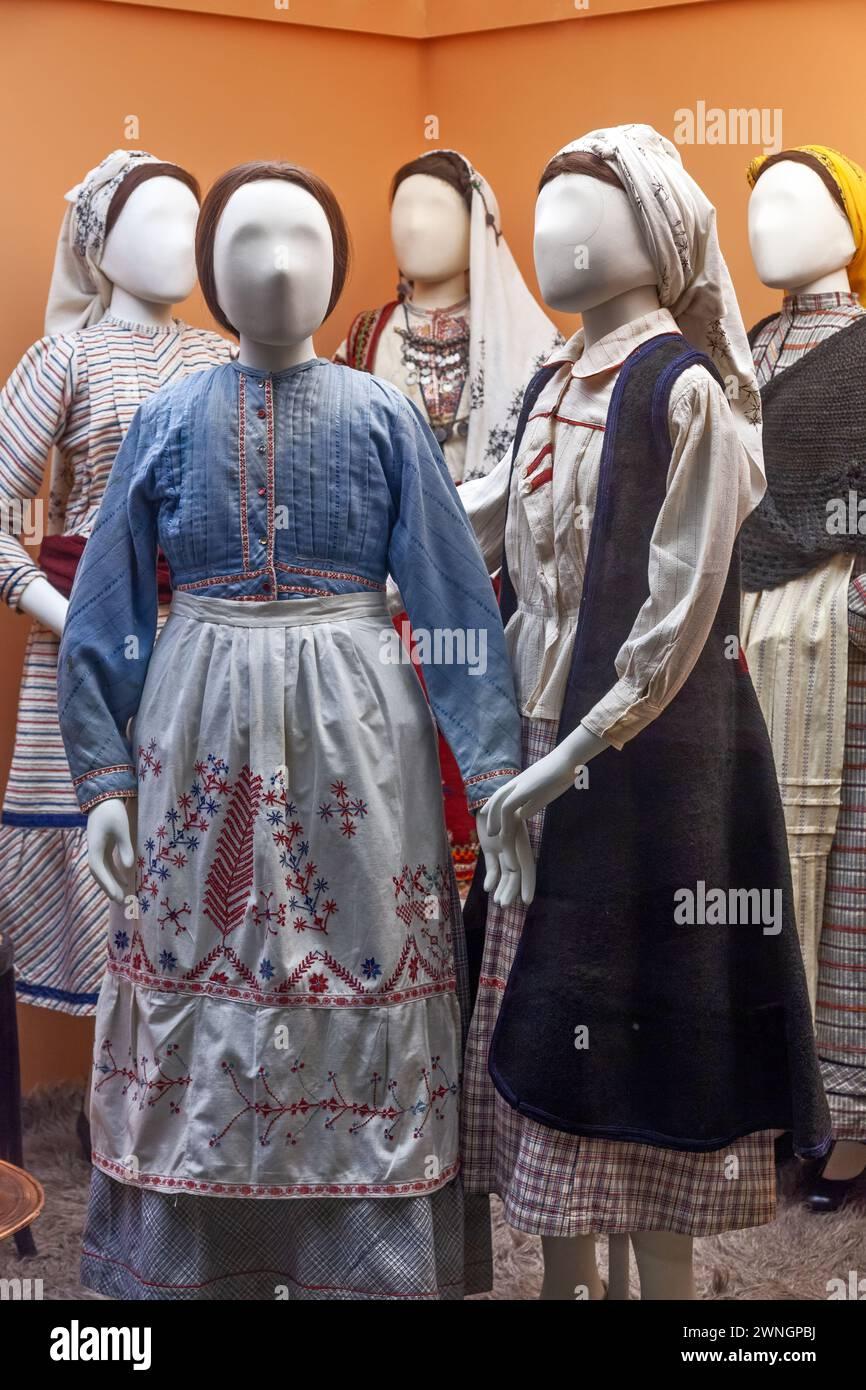
- Extensive collection of traditional Greek costumes with intricate embroidery
- Rare household items and historical artifacts from Peloponnese region
- High-quality local crafts available in museum gift shop
- Carefully curated exhibits highlighting regional cultural heritage
What is Peloponnesian Folklore Foundation in Nafplio?
The Peloponnesian Folklore Foundation stands as a key cultural destination in Nafplio, attracting history buffs and cultural travelers from around Greece and international destinations. Located in the heart of this historic city, the museum transforms traditional Greek cultural artifacts into storytelling experiences that connect visitors directly with the region's rich heritage. Travelers will discover an extensive collection focusing on 19th and early 20th-century Peloponnese culture, featuring meticulously preserved traditional costumes, household items, and craftsmanship that reveal daily life during a transformative period in Greek history. Unlike typical museums, this landmark offers an intimate glimpse into local traditions through carefully curated exhibits that showcase intricate embroidery, silver adornments, and period clothing that tell stories of generations past. Photography enthusiasts and cultural explorers can capture remarkable details of Greek folk life, with displays that include everything from delicate textile work to unexpected items like a charming horse-tricycle that hints at the technological transitions of the era. The museum's gift shop provides an additional layer of engagement, offering high-quality local crafts that allow visitors to take a piece of Greek cultural heritage home with them. Positioned as more than just a museum, the Peloponnesian Folklore Foundation serves as a living archive that bridges historical understanding with contemporary cultural appreciation.
Top things to do at Peloponnesian Folklore Foundation
- Examine the detailed traditional Greek costumes featuring intricate hand-embroidered textiles from different Peloponnese regions
- Explore the museum's collection of 19th-century household items, including rare silver jewelry and personal accessories
- Check out the unique historical horse-tricycle, a quirky artifact representing early 20th-century transportation innovation
- Visit the museum's gift shop to purchase high-quality local handicrafts and traditional Greek artisan products
- Attend special temporary exhibitions highlighting specific aspects of Peloponnesian cultural heritage and craftsmanship
- Compare traditional clothing styles across different social classes and historical periods through carefully curated displays
- Learn about traditional Greek domestic life through meticulously preserved household objects and informative exhibit descriptions
Tickets and Pricing
Entry to the Peloponnesian Folklore Foundation is affordable for most travelers. Adult tickets typically cost around 5-7 euros, with reduced rates for students, seniors, and children. Group discounts are available for parties of 10 or more. Visitors can purchase tickets directly at the museum entrance or online through the official museum website. No advance booking is required during off-peak seasons, but recommended during summer months when tourist traffic increases.
History of Peloponnesian Folklore Foundation
- 1975: Museum founded by renowned Greek folklorist Ioanna Papantoniou
- 1981: First comprehensive exhibition of traditional Peloponnesian costumes launched
- 1991: Museum receives national award for cultural preservation
- 2000: Major renovation and expansion of exhibition spaces
- 2010: Digital archiving project begins to document museum's extensive collection
- 2015: Recognized as a key cultural institution for preserving Greek regional heritage
Cultural Significance
The Peloponnesian Folklore Foundation serves as a critical repository of Greek cultural memory. It preserves the traditional lifestyle, crafts, and social practices of the Peloponnese region during the 19th and early 20th centuries. The museum plays a crucial role in educating younger generations about their cultural roots and maintaining the rich textile and craft traditions of rural Greek communities.
Tips for Visitors
- Allow at least 1-2 hours for a comprehensive museum visit
- Photography is permitted without flash in most exhibition areas
- Audio guides are available in Greek and English
- Wear comfortable walking shoes as exhibits require moderate walking
- The museum is fully accessible for visitors with mobility challenges
- Check website for occasional special exhibitions and events
- Gift shop offers authentic local crafts as souvenirs
What are some interesting facts about Peloponnesian Folklore Foundation?
- The museum's founder, Ioanna Papantoniou, personally collected many artifacts by traveling through remote Peloponnese villages, preserving traditions that were quickly disappearing
- One of the museum's most unique displays includes a rare horse-tricycle that represents the technological transition between traditional transportation and early mechanized vehicles
- The museum houses a private collection of silver jewelry and embroidery that includes pieces from families who have lived in the Peloponnese region for generations, some dating back to the early 1800s