
Archaeological Museum of Nauplion: A Journey Through Argolis History
July 30, 2025

I spent nearly two hours exploring the museum, completely fascinated by the unique 3500-year-old bronze armor with its extraordinary boar-tusk helmet. The multilingual audio guide made the archaeological journey through Argolis incredibly engaging, especially the exhibits about prehistoric hunter-gatherer societies.
Hidden inside a stunning Venetian building, the Archaeological Museum of Nauplion holds the world's only surviving bronze armor from ancient Mycenae. Uncover thousands of years of human history through artifacts that transform how you understand prehistoric Greek civilization.
Need-to-Know Info Before Visiting Archaeological Museum of Nauplion
5+
images
Archaeological Museum of Nauplion Address
2 Syntagma Square, Nafplio 21100, Greece
Archaeological Museum of Nauplion Opening Hours
- 🕒 Tuesday-Sunday: 8:30 AM - 3:00 PM
- 🕒 Closed on Mondays
- 🕒 Seasonal hours might vary - check official website
How to get to Archaeological Museum of Nauplion
- 🚗 By car: Easy parking near Syntagma Square
- 🚌 Public transport: Local KTEL buses serve Nafplio
- 🚕 Rideshare: Taxi services available in city center
What is Archaeological Museum of Nauplion known for?
- Houses archaeological finds spanning prehistoric to Mycenaean periods
- Features unique bronze armor from near Mycenae, approximately 3500 years old
- Displays artifacts from Franchthi Cave showing hunter-gatherer lifestyle
- Contains Geometric-period pottery and rare archaeological specimens
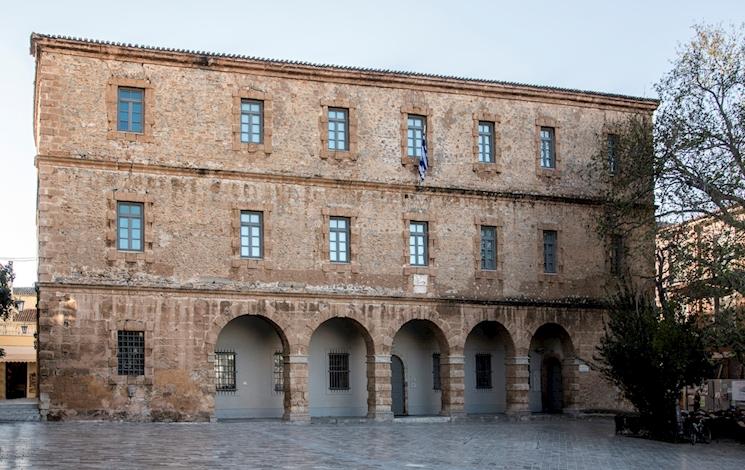
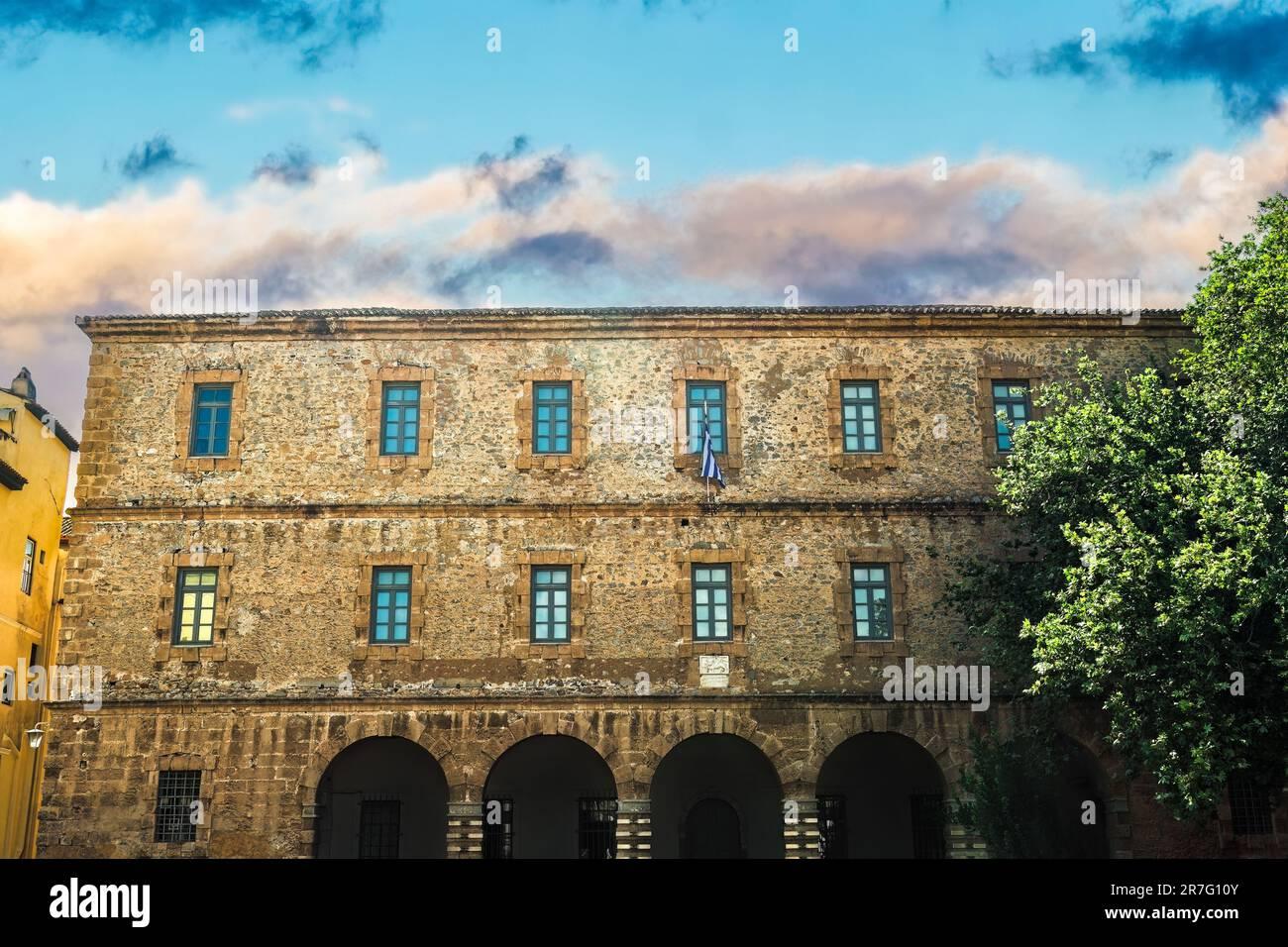
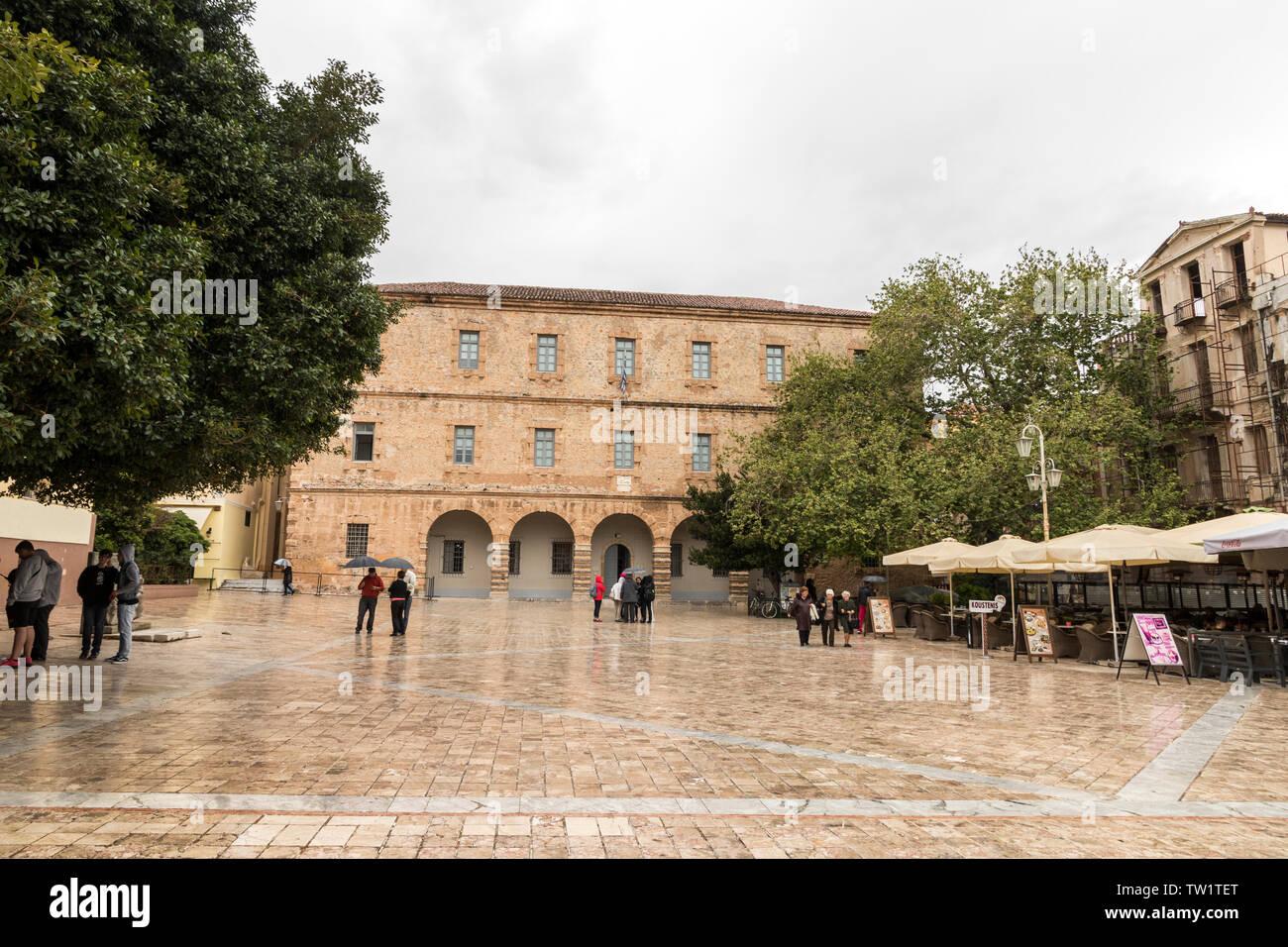
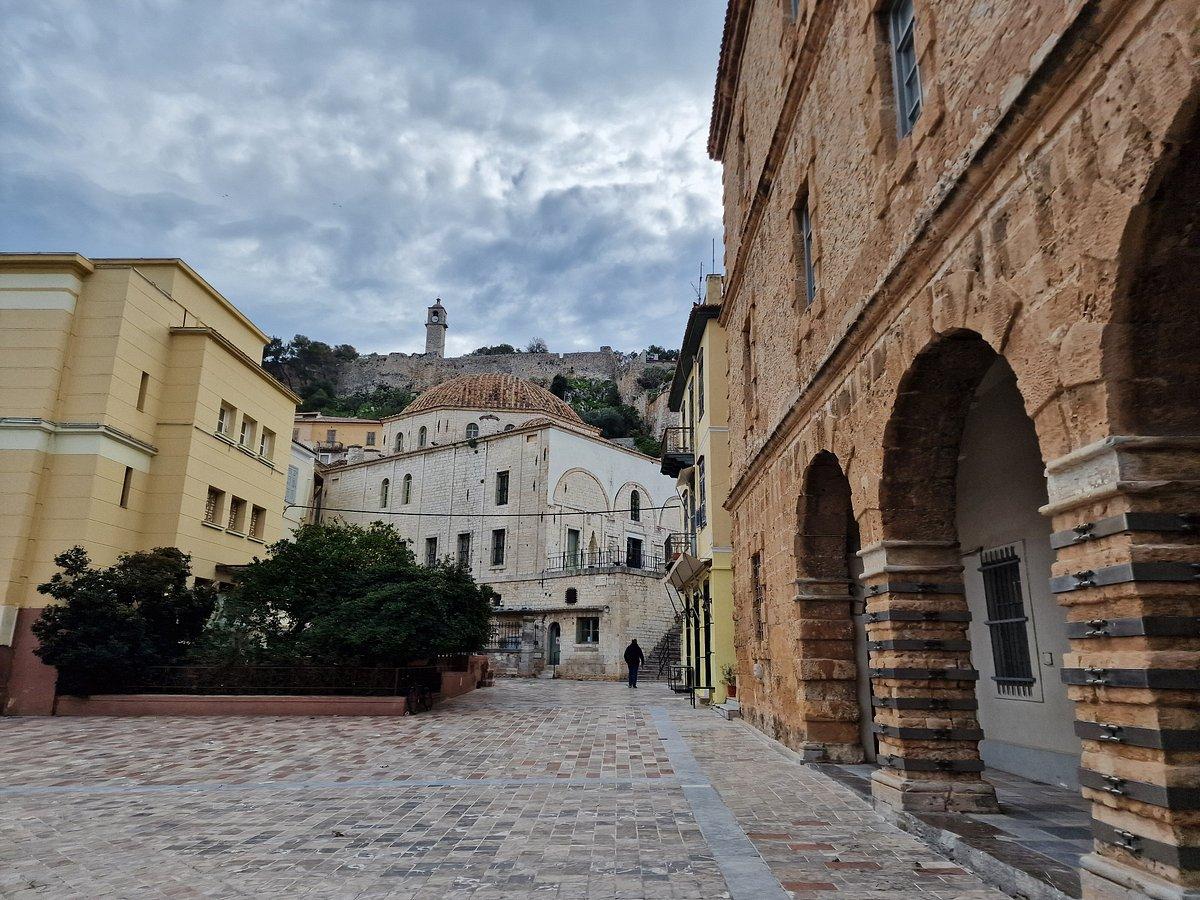
- Located in a historic Venetian-style building in central Nafplio
What is Archaeological Museum of Nauplion in Nafplio?
The Archaeological Museum of Nauplion sits right in the heart of Nafplio, tucked inside a historic Venetian-style building that tells Greece's deep historical story. Travelers and history buffs flock to this compact museum to walk through thousands of years of Argolis region history, from prehistoric hunter-gatherer societies to advanced Mycenaean civilizations. Tourists typically spend about 1-2 hours exploring its carefully curated exhibits, which include rare archaeological finds like a 3500-year-old bronze armor with a unique boar-tusk helmet. The museum attracts around 50,000 visitors annually, making it a key stop for anyone wanting to understand the archaeological richness of the Peloponnese region. Unlike massive national museums, this local gem offers an intimate look at regional history through pottery, tools, and artifacts that reveal how communities lived and evolved. International tourists appreciate the multilingual audio guides, which help them connect with artifacts from the Paleolithic period through the Geometric era. Its location in Syntagma Square means visitors can easily combine a museum visit with exploring Nafplio's charming streets and nearby historical sites.
Top things to do at Archaeological Museum of Nauplion
- Explore the 3500-year-old bronze armor from Mycenae, featuring a rare boar-tusk helmet - the only existing piece of its kind
- Take a multilingual audio guide tour (leave a government-issued ID) to understand prehistoric Argolis civilization in depth
- Examine the 6th-century BC Panathenaic Games amphora, a prestigious ancient athletic prize with intricate historical significance
- Study the Paleolithic hearth exhibit, showcasing early human settlement techniques in the Franchthi Cave region
- View the comprehensive collection of Geometric-period pottery, illustrating the artistic and cultural evolution of local communities
- Discover the social development timeline of Argolis, from hunter-gatherer societies to sophisticated Mycenaean civilizations
Tickets and Entry
The Archaeological Museum of Nauplion offers affordable entry with standard adult tickets priced around 6-8 euros. Reduced rates are available for students, seniors, and children. Online ticket booking is recommended during peak tourist season to avoid queues. Visitors can purchase tickets directly at the museum entrance or through the official Nafplio cultural heritage website. The museum participates in the Greek Cultural Pass, which offers discounted entry to multiple historical sites.
History of Archaeological Museum of Nauplion
- 1930s: Initial collection of archaeological artifacts begins in Nafplio
- 1951: Official establishment of the museum in a restored Venetian-era building
- 1960s: First major expansion to include Prehistoric and Mycenaean exhibit collections
- 1980: Comprehensive renovation to modernize display techniques
- 2000: Significant upgrade of multimedia and audio guide technologies
- 2010: Major architectural restoration preserving the building's historical integrity
Tips for Visitors
- Bring a government-issued ID to borrow multilingual audio guides
- Allocate 1-2 hours for a comprehensive museum tour
- Photography is permitted without flash in most exhibit areas
- Wear comfortable walking shoes for museum exploration
- Check museum website for potential temporary exhibitions
- Visit during morning hours to avoid afternoon crowd peaks
Cultural Significance
The Archaeological Museum of Nauplion represents more than a collection of artifacts. It serves as a critical cultural institution preserving the archaeological heritage of the Argolis region. The museum tells the story of human development from prehistoric hunter-gatherer societies to sophisticated Mycenaean civilizations, offering locals and tourists a deep understanding of regional history and cultural evolution.
What are some interesting facts about Archaeological Museum of Nauplion?
- The museum's Venetian building itself is a historical artifact, representing architectural heritage from the period of Venetian rule in Greece
- The bronze armor with a boar-tusk helmet is the only surviving piece of its kind in the world, making it an incredibly rare archaeological treasure
- Local archaeologists discovered the Paleolithic hearth exhibit by accident during a routine excavation in the Franchthi Cave region, revealing unexpected insights into prehistoric human settlements